
- Mar 13
The Strange Psychology of the Final Week
- Matt Tapper
- 0 comments
Term’s coming to an end quicker than you originally thought. One more week to go. One more week of lectures and then it’s the final push through those exams, essays, or both next term.
I always find this period of the academic year fascinating.
This week alone I’ve seen around twenty students, and it’s incredible what has come up in those conversations. There seems to be a much higher level of optimism in the air, almost like someone has quietly increased the emotional lighting in the room. Students are more positive, more relaxed, more confident that everything will work out.
If you were to describe the general mood, it would be something like this: “It’ll be alright. I’ll get through it.”
But what makes this so interesting is that if you go back three or four weeks, the atmosphere was almost the complete opposite.
Three or four weeks ago the workload felt overwhelming. Assignments were piling up, deadlines felt endless, stress levels were high and socialising had almost completely disappeared. Many students felt like they were running on empty with no clear finish line in sight. The phrase I heard most often was something along the lines of, “I don’t know how I’m going to get all of this done.”
Yet now, despite the fact that many students actually have more work left to complete than they did four weeks ago, the emotional tone has completely shifted.
And that’s the part I find most ironic.
Nothing substantial has really changed in terms of workload. In many cases, the pressure has actually increased. But psychologically something else has changed — the finish line is now visible.
It’s a bit like running a long-distance race. When you’re halfway through, the distance still feels endless. Your legs are heavy, your breathing is uncomfortable, and the thought of continuing for miles more can feel exhausting.
But when you turn the final corner and see the finish line ahead, something strange happens.
You don’t suddenly have less distance left to run.
Your legs don’t magically become less tired.
But your mind shifts gears.
Energy appears from somewhere you didn’t realise you had.
That final stretch suddenly feels manageable.

This shift happens because the brain loves certainty. When we can see the end of something, even if it’s still difficult, our mind begins to organise itself around completion rather than survival.
There’s a moment in the film The Shawshank Redemption (Darabont, 1994) where the character Andy Dufresne spends years patiently digging his way through the prison wall. For most of that time, progress would have felt painfully slow and invisible. But once the tunnel is close to completion, the idea of freedom becomes real enough to keep going.
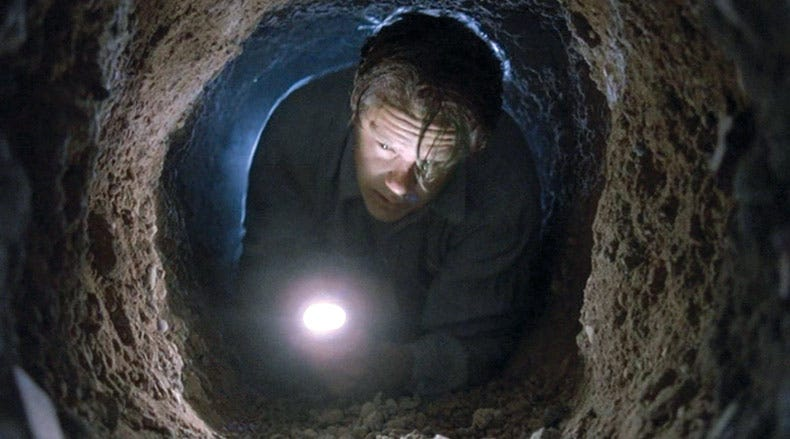
Sometimes the difference between despair and determination is simply seeing that progress is actually leading somewhere.
Students often experience something similar towards the end of term. Early in the semester everything feels far away. Deadlines exist in the abstract future and the workload feels endless. But once the calendar begins to shrink and the final lectures appear, the brain finally has something it loves — a clear timeline.
The end is visible.
And when the end becomes visible, motivation tends to return.
There’s a metaphor I often think about during this time of year. Imagine walking through a long tunnel. At the beginning the tunnel feels dark, quiet and never-ending. Every step forward feels the same as the last.
But eventually, somewhere in the distance, you see a small circle of light.
The tunnel hasn’t changed.
The distance hasn’t changed.
But the experience of walking through it changes dramatically, simply because you now know where it leads.
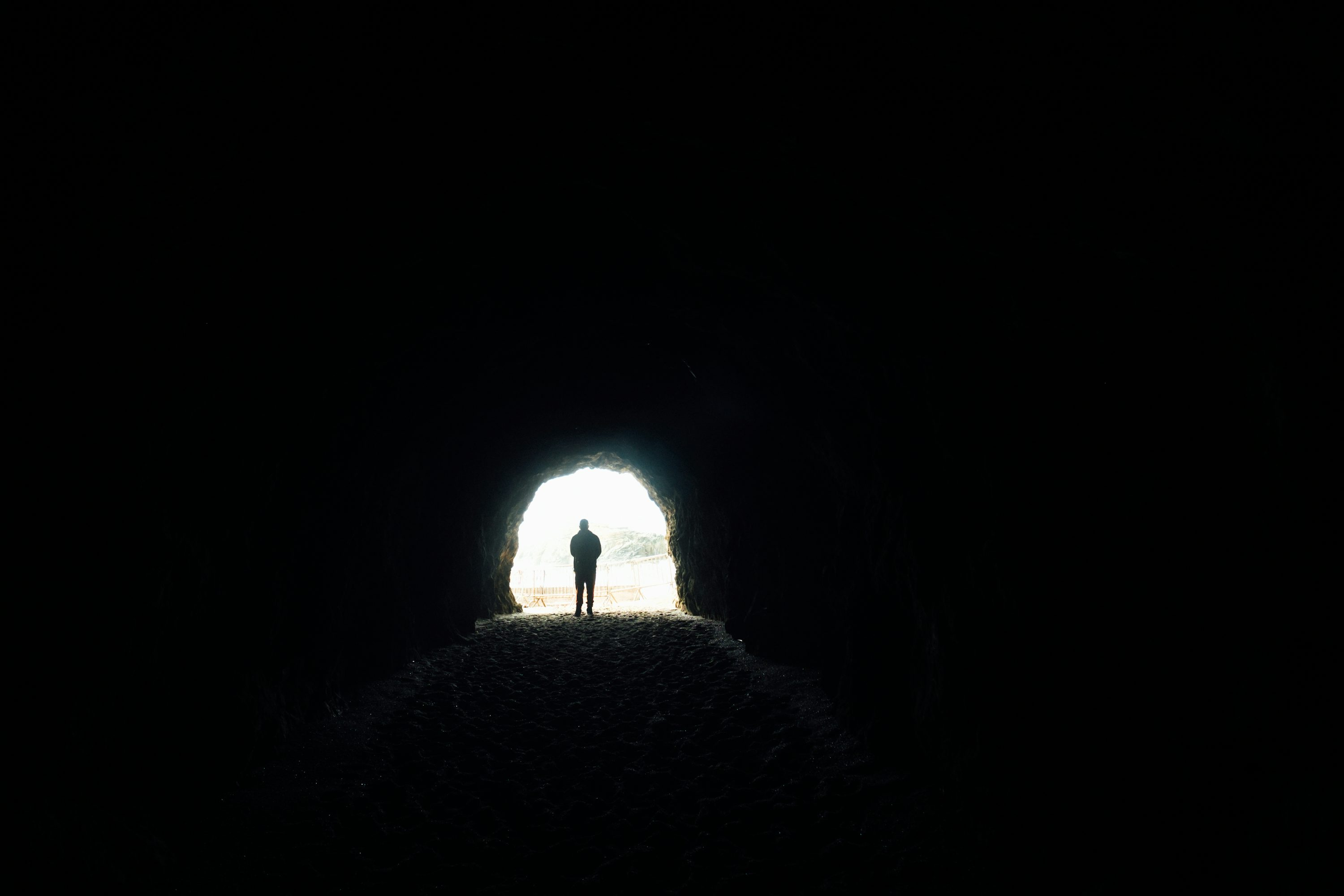
The final weeks of term are often that moment when the light appears.
Of course, the work still needs to be done. Essays still need writing, revision still needs doing, and exams still need sitting. But psychologically something important has shifted — the journey now has a visible destination.
And sometimes that’s all the mind needs to keep moving forward.
Because when we can finally see the end of something, the path suddenly feels far more possible to walk.
References:
Darabont, F. (1994) The Shawshank Redemption. Directed by F. Darabont. Burbank, CA: Warner Bros..