- Feb 25
Pressure and Expectations Kill Curiosity
- Matt Tapper
- 0 comments
That’s a sentence I never thought I’d say.
For years, I believed pressure was necessary for meaningful progress. In fact, I swore by it. At university, I rarely completed anything substantial unless the deadline was looming and the pressure was immense. Last-minute panic was my productivity hack. It was astonishing how much I could produce in a short, high-stress window.
Later, when I began mentoring students, I saw the same pattern repeated. So many would procrastinate endlessly—until the final stretch—then suddenly deliver first-class work. It almost reinforced my belief: maybe pressure was the secret ingredient after all.
But I’ve changed my mind.
Recently, I had a powerful conversation with a student that shifted something for me. We spoke about what truly lit them up—their dreams, their interests, the things they felt naturally drawn toward. Travel writing. Songwriting. Blogging. Podcasting. Creative work that felt expansive and alive. It was a gift just to listen to them describe it.
And yet, they couldn’t begin.
Instead of creating, they were doom scrolling. Avoiding. Circling the edges of the very things they cared about most.
When we dug deeper, the real issue surfaced: pressure. Expectations. The overwhelming desire to be successful. They weren’t just trying to create. They were trying to create something impressive. Something profitable. Something worthy.
That’s when curiosity quietly left the room.
When expectations become heavy, creativity becomes fragile. When success becomes the goal, exploration feels risky. The mind shifts from “What would happen if I tried this?” to “What if this isn’t good enough?”
Curiosity thrives in play. It withers under performance.
I shared an example from my own life. My kids are currently obsessed with a silly crocodile YouTube channel (Just For Kids, 2025). It’s chaotic, ridiculous and surprisingly funny. The creators have been making these videos for about seven years. Today, they’re millionaires.
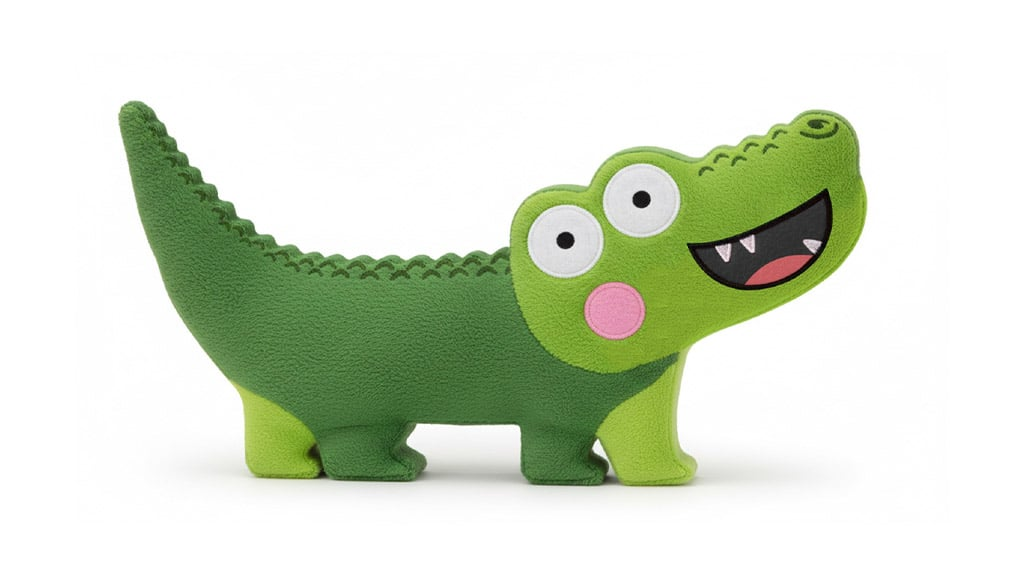
But here’s the important part: they didn’t start with a seven-year financial strategy. They didn’t begin with pressure to build an empire. They were simply drawn to making funny crocodile videos for their children and decided to share them. Over time, it grew. The success followed the curiosity—not the other way around.
That’s the pattern we often miss.
Curiosity creates movement. Movement creates progress. Progress sometimes creates success. But when we reverse the order—when we chase success first—curiosity suffocates.
Pressure can create output. It can force action. It can produce results.
But curiosity creates longevity.
Curiosity keeps you experimenting long enough to get good. It keeps you returning when no one is watching. It allows you to fail without collapsing, because you’re exploring—not performing.
Life isn’t a straight climb upward. It’s more like a game of snakes and ladders. You roll, you climb a ladder, you feel momentum. You roll again, you hit a snake, and slide back down. It’s frustrating. Disheartening. Sometimes embarrassing.
But if you keep taking your turn—if you keep rolling, keep exploring—you’ll hit another ladder. And another.
Eventually, if you stay in the game long enough, you win.
So, follow the curiosities. Even the strange ones.
Let them be small. Let them be playful. Let them exist without the weight of expectation.
You never know what you create and you never know where they might lead.
As the psychiatrist Bill Pettit once said - fast and furious - calm and curious.
Delve into those curiosities and just see where they take you.

References:
Just For Kids, n.d. (2025) Silly Crocodile and the Mysterious Egg. [online] YouTube. Available at: https://www.youtube.com/ (Accessed: 2 March 2026).